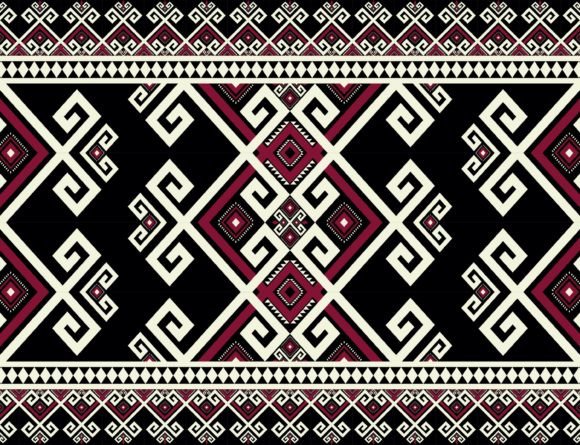
Aztec Tribal Border Pattern: A Timeless Design for Modern Decor
The Aztec Tribal Border Pattern is a striking example of traditional ethnic design that has found new life in contemporary home decor. This intricate geometric pattern, rooted in the rich cultural heritage of the Aztec civilization, offers a unique blend of historical significance and modern aesthetic appeal. Whether you're looking to enhance your textile designs, create custom carpets, or add a touch of cultural flair to your living space, the Aztec Tribal Border Pattern provides a versatile and visually compelling solution.
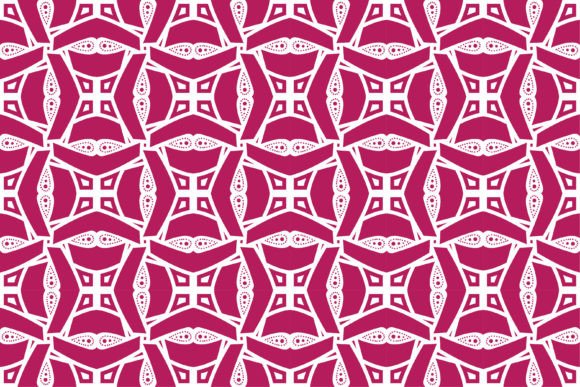
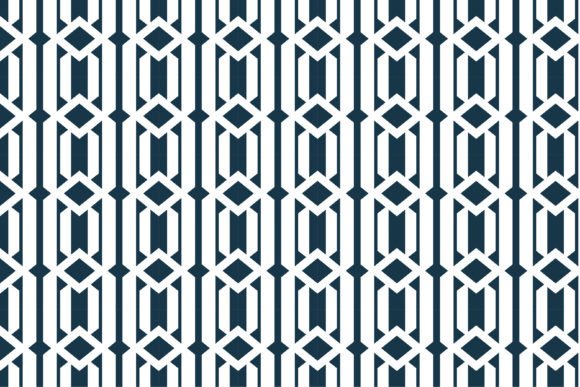
At its core, the Aztec Tribal Border Pattern features repeating geometric shapes such as triangles, zigzags, and interlocking lines. These elements are often arranged in a seamless, continuous design that can be adapted for various applications. The pattern's symmetry and precision reflect the advanced mathematical understanding of the Aztec people, making it not only beautiful but also intellectually engaging.
Challenges and Opportunities with Traditional Ethnic Patterns
For designers, artisans, and homeowners, incorporating traditional ethnic patterns like the Aztec Tribal Border Pattern can present both challenges and opportunities. One common challenge is ensuring that the design remains authentic while adapting it to modern tastes and practical needs. Additionally, finding high-quality digital files that maintain the pattern's integrity can be difficult.
However, these challenges also open doors to creative solutions. By understanding the cultural context and visual language of the Aztec Tribal Border Pattern, users can make informed decisions about how to integrate it into their projects. For instance, using this pattern in textiles, carpets, or decorative rugs allows for a seamless blend of tradition and function.
Practical Applications of Aztec Tribal Border Pattern
The Aztec Tribal Border Pattern is highly adaptable and can be used in a wide range of applications. In home interiors, it serves as an elegant border for rugs, runners, and wall hangings. Its bold lines and structured forms make it ideal for adding visual interest without overwhelming a space. When used in textiles, the pattern can provide a sense of depth and texture, enhancing the overall aesthetic of a room.
For commercial settings, such as hotels, restaurants, or retail spaces, the Aztec Tribal Border Pattern can be employed to create a distinctive brand identity. Its cultural roots and artistic value make it a powerful tool for storytelling through design. Moreover, the pattern’s scalability allows it to be customized for different sizes and formats, including large-scale installations.
Choosing the Right File Format for Your Needs
When working with the Aztec Tribal Border Pattern, selecting the appropriate file format is essential. Common options include EPS (Encapsulated PostScript) and JPG (Joint Photographic Experts Group). Each format has its advantages depending on the intended use:
- EPS: Ideal for vector-based designs that require scalability without loss of quality. This format is perfect for print applications, such as creating custom carpets or fabric borders.
- JPG: Best suited for digital use, such as online presentations or web-based marketing materials. It offers high-resolution images that maintain clarity at various sizes.
For those working on large-scale projects, such as interior design or architectural elements, a 5000 x 3333 pixel resolution ensures that the pattern remains sharp and detailed, even when scaled up.
Customizing the Aztec Tribal Border Pattern
One of the greatest strengths of the Aztec Tribal Border Pattern is its adaptability. Users can modify the design to suit specific needs, whether by adjusting color schemes, altering the scale, or combining it with other patterns. This flexibility makes it a valuable resource for both professional designers and DIY enthusiasts.
For example, a homeowner might choose to incorporate the pattern into a woven rug, using muted tones to complement a minimalist decor style. Alternatively, a designer could experiment with vibrant colors and bold contrasts to create a statement piece that stands out in a modern space.
Considerations for Different Users
The way individuals approach the Aztec Tribal Border Pattern can vary based on their goals and resources. A textile artist may focus on the pattern’s potential for handwoven or printed fabrics, while a furniture designer might explore its use in upholstery or decorative trim. Similarly, a business owner seeking to infuse cultural authenticity into their branding may look for ways to integrate the pattern into logos, packaging, or store displays.
Regardless of the application, it is important to respect the cultural origins of the Aztec Tribal Border Pattern. Understanding its historical significance helps ensure that it is used in a thoughtful and meaningful way, rather than as a mere decorative element.
Conclusion: Embracing the Aztec Tribal Border Pattern
The Aztec Tribal Border Pattern offers more than just visual appeal—it represents a connection to a rich cultural legacy. Its geometric precision, symbolic depth, and versatility make it a valuable asset for anyone involved in design, home decor, or cultural expression. Whether you're looking to enhance your living space, create custom products, or explore new artistic possibilities, the Aztec Tribal Border Pattern provides a timeless and effective solution.
By choosing the right file format, considering practical applications, and respecting the pattern’s origins, users can successfully integrate this traditional ethnic design into modern contexts. With careful planning and creativity, the Aztec Tribal Border Pattern can transform any space into a celebration of history, artistry, and innovation.