Colorful Half Circle Background: A Modern Graphic Design Element
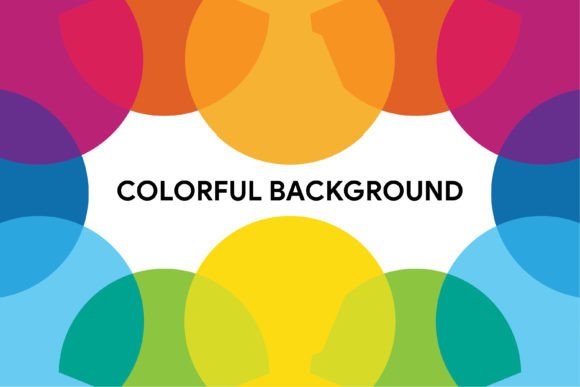
The Colorful Half Circle Background is a visually striking design element that combines vibrant colors with clean, minimal aesthetics. This abstract template features overlapping half circles in a variety of hues, set against a white background. It serves as an ideal backdrop for digital projects, web design, and print materials. The design is highly versatile, offering a modern and trendy look that can be adapted to various creative needs.
This graphic resource is available in multiple file formats, including AI, EPS, JPG, and SVG, ensuring compatibility across different design software and platforms. With high-resolution settings at 300dpi, it maintains clarity and sharpness even when scaled up for large-format printing. All elements are vector-based, allowing for easy editing of text, shapes, and colors without loss of quality.
Why Choose a Colorful Half Circle Background?
Designers and creators often seek backgrounds that are both eye-catching and functional. The Colorful Half Circle Background meets these criteria by offering a balance between visual appeal and practicality. Its abstract nature makes it suitable for a wide range of applications, from website headers and social media posts to promotional banners and presentation slides.
The use of half circles introduces a sense of movement and flow, creating a dynamic composition that draws attention without overwhelming the viewer. The clean and minimal style ensures that the background does not compete with other design elements, making it ideal for projects that require a subtle yet impactful visual presence.
Additionally, the design’s editable nature allows users to customize it according to their specific needs. Whether adjusting color schemes, resizing shapes, or adding text, the flexibility of this template makes it a valuable asset for both novice and professional designers.
Benefits and Considerations
One of the primary benefits of the Colorful Half Circle Background is its adaptability. The combination of bright colors and geometric shapes provides a fresh and contemporary aesthetic that aligns with current design trends. This makes it particularly useful for projects targeting younger audiences or industries that value innovation and creativity.
Another advantage is the high-quality resolution and vector format. These technical specifications ensure that the design remains sharp and scalable, which is essential for both digital and print applications. The organized structure of the files also simplifies the editing process, saving time and effort during the design workflow.
However, there are considerations to keep in mind. While the background is visually appealing, it may not be suitable for all design contexts. In some cases, the bold colors and complex shapes could overshadow other elements, leading to a cluttered or unbalanced composition. It is important to evaluate whether the design complements the overall visual hierarchy of the project.
Moreover, the abstract nature of the template may not resonate with all audiences. Some users may prefer more traditional or minimalist backgrounds that offer a more neutral foundation. In such cases, alternatives such as solid color backgrounds or simpler geometric patterns may be more appropriate.
Situations Where It Excels
The Colorful Half Circle Background is particularly effective in situations where a strong visual identity is needed. For example, it can serve as a compelling backdrop for event promotions, brand logos, or digital art installations. Its vibrant colors and dynamic shapes make it ideal for projects that aim to convey energy, creativity, or a sense of celebration.
In web design, this background can enhance user engagement by providing an attractive and memorable visual experience. When used strategically, it can help differentiate a website from competitors and create a lasting impression on visitors. It is also well-suited for mobile app interfaces, where a visually engaging design can improve usability and user satisfaction.
For print materials, the high-resolution output ensures that the design remains clear and professional, even when printed on large surfaces such as posters or banners. The white background helps maintain contrast and readability, making it a reliable choice for marketing collateral and promotional content.
When Alternatives May Be Better
While the Colorful Half Circle Background offers many advantages, there are scenarios where alternative designs may be more suitable. For instance, in corporate or formal settings, a more subdued and structured background might be preferred to maintain a professional tone. In these cases, solid color gradients or simple line illustrations could provide a more refined and elegant appearance.
Additionally, for projects that require a high level of customization, a fully editable template with more flexible layout options may be necessary. Depending on the specific requirements, other design elements such as full-circle patterns, wave motifs, or abstract textures could offer greater versatility.
It is also important to consider the target audience when selecting a background. If the design is intended for a broad or diverse audience, a more neutral or universally appealing option may be more effective than a highly stylized one. Testing different design concepts and gathering feedback can help determine the most appropriate choice.
Decision-Making Insights
When evaluating whether the Colorful Half Circle Background is the right choice, it is helpful to ask a few key questions. Does the design align with the overall theme and message of the project? Will it enhance the visual appeal without distracting from the main content? Is it compatible with the intended platform or medium?
Considering these factors can help ensure that the background contributes positively to the final outcome. It is also advisable to review similar designs and assess their effectiveness in comparable contexts. This can provide valuable insights into how the Colorful Half Circle Background may perform in different applications.
Ultimately, the decision to use this design should be based on a clear understanding of the project’s goals and the preferences of the target audience. By carefully weighing the benefits and limitations, designers can make informed choices that lead to successful and visually compelling results.